Google DeepMind SynthID Bio: Securing AI Protein Design at Scale
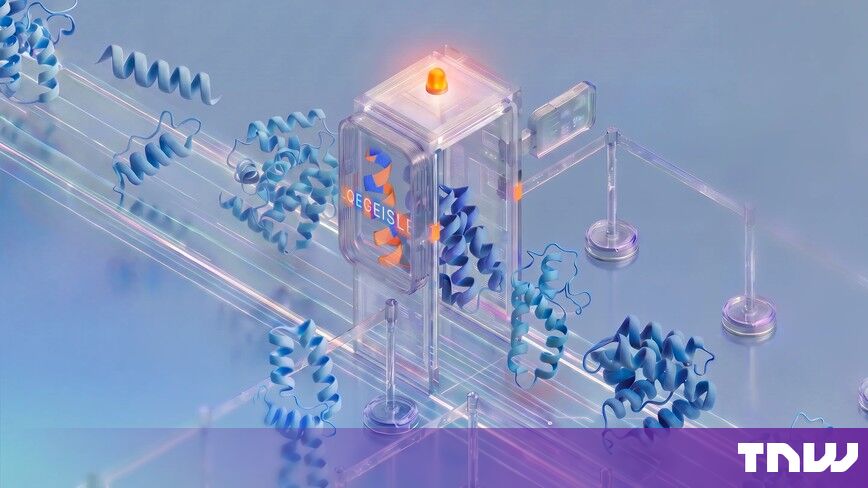
Google DeepMind has expanded its SynthID watermarking framework to synthetic biology with the introduction of SynthID Bio. The tool embeds imperceptible, highly resilient digital signatures into either the primary amino acid sequence or the predicted 3D structure of AI-generated proteins. Crucially, laboratory testing confirms that these watermarks do not degrade the biological functionality of the designed proteins. As generative AI shifts from text and image generation to specialized scientific domains, the ability to watermark biological outputs addresses a critical gap in IP protection and biosecurity. For B2B platforms offering computational biology as a service, SynthID Bio represents a foundational layer for tracking generative outputs across complex, multi-party supply chains. This development enables secure monetization of proprietary design models and provides enterprise developers with the provenance tools needed to navigate emerging regulatory frameworks governing synthetic biology and public health safety.
Sentinel's Strategic Outlook
Google DeepMind has launched SynthID Bio, a novel watermarking technology designed to secure synthetic proteins generated by AI models without compromising their functionality. This technology embeds a digital signature into amino acid sequences, allowing enterprises to track and verify proprietary biological assets.