At Next, Google aims to dominate the dawning age of agentic AI
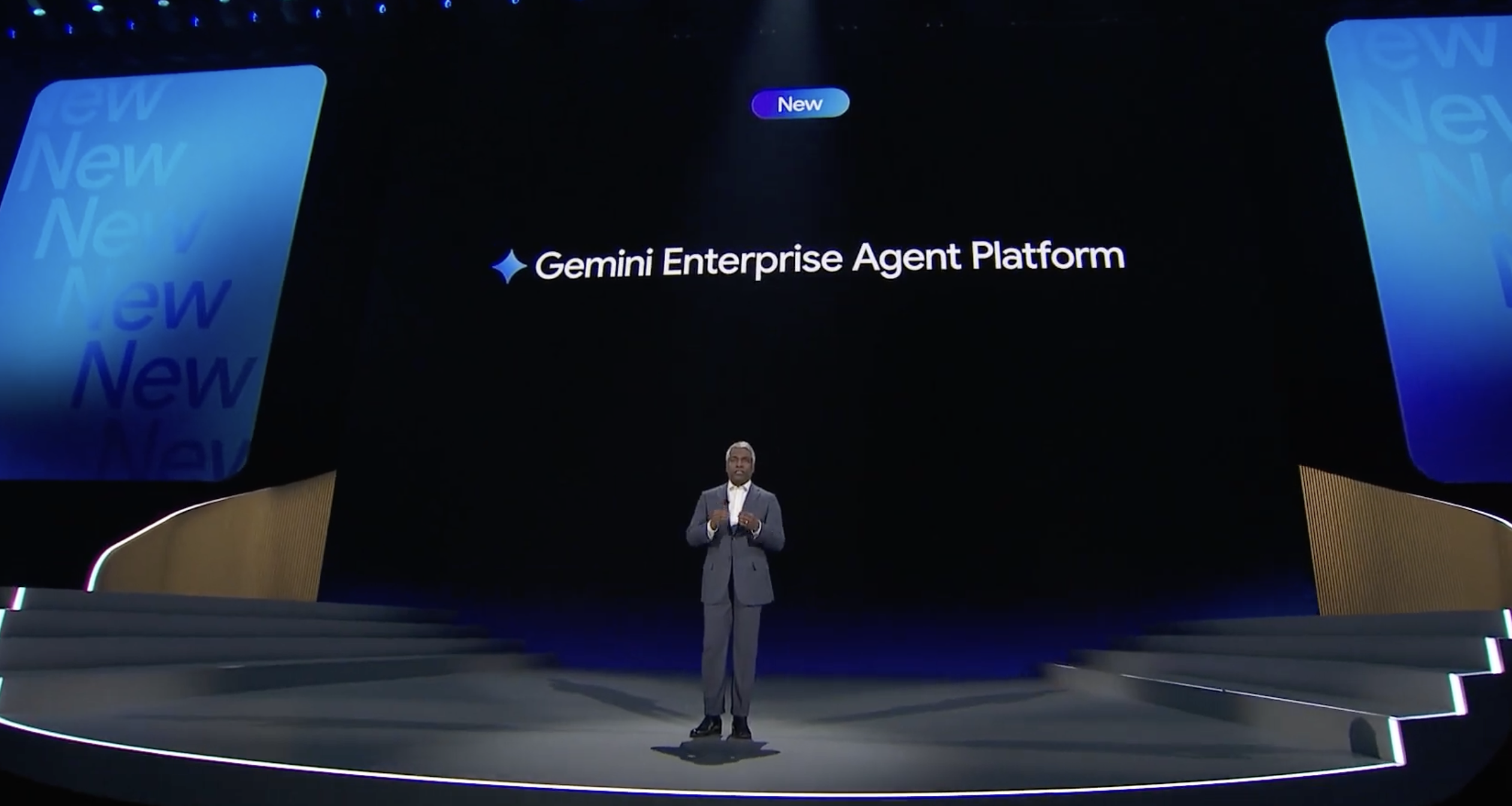
Google's strategic move into agentic AI underscores its ambition to lead the next wave of innovation in cloud infrastructure and enterprise software. By integrating its entire tech stack, Google can offer a unified platform for AI development, deployment, and management. This development is poised to disrupt the competitive landscape, as Google's end-to-end capabilities may challenge existing players in the AI and cloud infrastructure markets. The move may prompt other industry leaders to reassess their strategies and investments in AI research and development. The financial implications of Google's agentic AI push are significant, as the company is likely to invest heavily in research, talent acquisition, and infrastructure development. This may lead to increased revenue streams from cloud services, enterprise software, and AI-powered solutions, further solidifying Google's position in the B2B SaaS and enterprise software markets.
Strategic Verdict: Google's aggressive push into agentic AI positions the company for dominance in the cloud infrastructure and enterprise software markets, with significant revenue growth potential
Sentinel's Take: Google's move into agentic AI is a calculated bet on the future of enterprise technology, and its comprehensive tech stack gives it a unique advantage in the market. However, the company must navigate complex regulatory and ethical considerations to realize the full potential of its vision.
Sentinel's Strategic Outlook
Google aims to dominate the emerging agentic AI landscape at Cloud Next, showcasing its comprehensive tech stack from chips to data management platforms, positioning itself as a potential operating system for AI agents.