NEUTRAL
Safe passage for bulk carrier in war zone
Published: March 24, 2026
•
Reading Time: 6 min read
•
Reporting: Intelligence Division
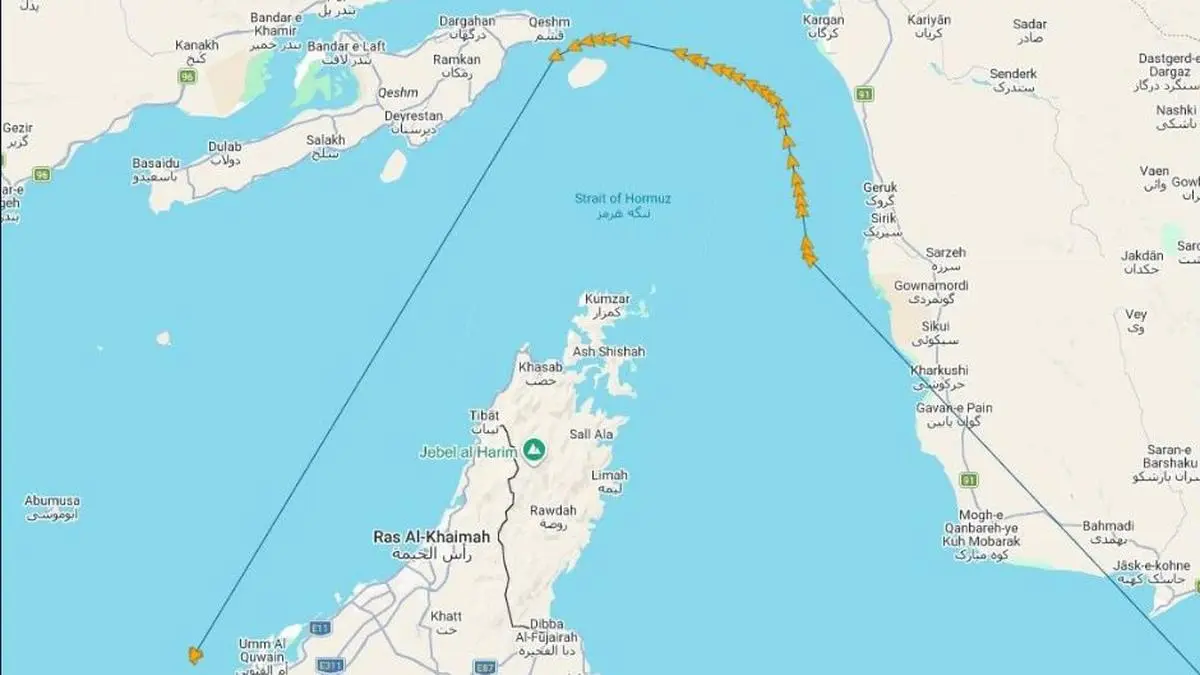
The recent safe passage of a Greek-owned bulk carrier through the Strait of Hormuz marks a significant event in the midst of regional tensions. This development has far-reaching implications for the global shipping industry, underscoring the complexities of navigating high-risk areas. The Strait of Hormuz, a critical chokepoint for international trade, has been a focal point of geopolitical tensions between the US, Iran, and other regional players. The safe transit of the bulk carrier is a testament to the crew's skill and the ship's robust design. The incident highlights the need for precision navigation and real-time intelligence in high-stress environments. This achievement also underscores the importance of maintaining open shipping lanes and reducing the risk of conflict. From a technical perspective, the success of this passage is a result of advanced navigation systems, including AIS (Automatic Identification System) and ECDIS (Electronic Chart Display and Information System), which enable real-time monitoring and precise trajectory control. Furthermore, the ship's owners must have engaged in rigorous risk assessment and mitigation strategies to ensure successful transit. The business implications of this event are multifaceted, with potential impacts on global trade patterns, shipping routes, and the economic well-being of nations dependent on these routes. As tensions in the region persist, this incident serves as a case study for the shipping industry, underscoring the need for adaptability, innovation, and collaboration to ensure safe passage through high-risk areas. This development also underscores the growing importance of precision navigation and real-time intelligence in the shipping industry, driving innovation and investment in cutting-edge technologies. As the global shipping landscape continues to evolve, this incident highlights the need for proactive risk management and strategic partnerships to mitigate the risks associated with navigating high-stress areas. The implications of this event are far-reaching, impacting not only the shipping industry but also global supply chains, economic stability, and regional politics.
Sentinel's Strategic Outlook
Analysis Summary:
The recent safe passage of a Greek-owned bulk carrier through the Strait of Hormuz marks a significant event in the midst of regional tensions. This development has far-reaching implications for the global shipping industry, underscoring the complexities of navigating high-risk areas. The Strait of Hormuz, a critical chokepoint for international trade, has been a focal point of geopolitical tensions between the US, Iran, and other regional players. The safe transit of the bulk carrier is a testament to the crew's skill and the ship's robust design. The incident highlights the need for precision navigation and real-time intelligence in high-stress environments. This achievement also underscores the importance of maintaining open shipping lanes and reducing the risk of conflict. From a technical perspective, the success of this passage is a result of advanced navigation systems, including AIS (Automatic Identification System) and ECDIS (Electronic Chart Display and Information System), which enable real-time monitoring and precise trajectory control. Furthermore, the ship's owners must have engaged in rigorous risk assessment and mitigation strategies to ensure successful transit. The business implications of this event are multifaceted, with potential impacts on global trade patterns, shipping routes, and the economic well-being of nations dependent on these routes. As tensions in the region persist, this incident serves as a case study for the shipping industry, underscoring the need for adaptability, innovation, and collaboration to ensure safe passage through high-risk areas. This development also underscores the growing importance of precision navigation and real-time intelligence in the shipping industry, driving innovation and investment in cutting-edge technologies. As the global shipping landscape continues to evolve, this incident highlights the need for proactive risk management and strategic partnerships to mitigate the risks associated with navigating high-stress areas. The implications of this event are far-reaching, impacting not only the shipping industry but also global supply chains, economic stability, and regional politics.